
Rat Removal Dallas
Rats can quickly turn a small problem into costly damage if they gain access to your home. Whether you’re hearing scratching in the attic, finding droppings, or noticing signs of rodent activity, our Dallas rat removal specialists provide safe, humane removal and help prevent future infestations through proven exclusion methods.
What We Offer
Professional Rat Removal Services in Dallas
Rats are more than just an annoyance, they can contaminate food, damage insulation, chew electrical wiring, and spread disease throughout a home or business. Because rats reproduce quickly and often remain hidden inside attics, walls, and crawl spaces, a small infestation can become a much larger problem if it isn’t addressed promptly.
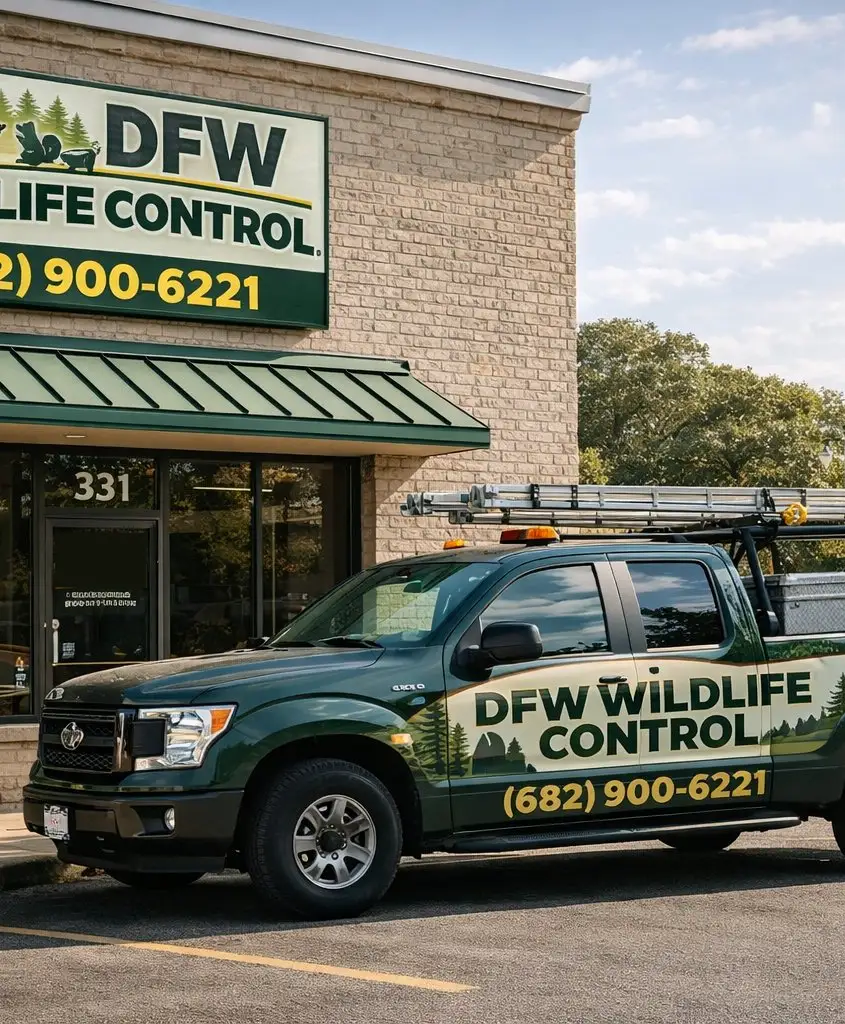
At DFW Wildlife Control, we provide humane rat removal services throughout Dallas and the surrounding communities. Every property is different, so we begin by identifying where the rats are living, how they’re entering the structure, and the safest way to remove them. Once the infestation has been eliminated, we can recommend exclusion measures to help prevent rats from returning.
Our goal isn’t simply to remove the rats you have today—it’s to help protect your home from future rodent problems.
Signs You May Have Rats in Your Home
Rats are nocturnal and often remain hidden, so homeowners usually notice the signs of an infestation before they ever see the animals themselves. Recognizing these warning signs early can help prevent damage to your home and reduce the risk of a larger infestation. If you’ve noticed any of the following, it’s a good idea to schedule a professional inspection before the problem gets worse.
Scratching Noises in Walls or the Attic
One of the earliest signs of a rat infestation is scratching, gnawing, or scurrying sounds coming from the attic, walls, or ceiling—especially after sunset when rats become most active. While these noises can also be caused by squirrels or other wildlife, a professional inspection can quickly identify the source and determine the best removal strategy.
Rat Droppings and Other Warning Signs
Rat droppings are commonly found in attics, garages, crawl spaces, pantries, and along walls where rodents travel. You may also notice gnaw marks on wood or wiring, greasy rub marks along walls, or footprints in dusty areas, all strong indicators that rats are active inside your home.
Unpleasant Odors and Nesting Materials
As rat populations grow, they often leave behind strong odors caused by urine, droppings, and nesting materials. Shredded insulation, paper, cardboard, or fabric used for nesting are additional warning signs that rodents have established themselves inside your attic or wall cavities.
How We Do It
Our Rat Removal Process
Our proven three-step process is designed to safely remove rats, identify how they entered your home, and help prevent future infestations. By addressing both the rodents and the conditions that allowed them inside, we provide a more complete and lasting solution.
1
Property Inspection and Problem Identification
Every rat removal project begins with a thorough inspection of your property. We identify signs of rodent activity, locate nesting areas, and determine how rats are entering your home so we can recommend the most effective removal strategy.
2
Humane Rat Removal Methods
Once the source of the problem has been identified, we use safe and effective removal methods based on the location and severity of the infestation. Our goal is to eliminate the rats while minimizing disruption to your home and family.
3
Entry Point Sealing and Prevention
Removing the rats is only part of the solution. We identify vulnerable entry points and recommend exclusion measures to help prevent future infestations. Learn more about our Entry Point Sealing services to see how we help protect Dallas homes from future wildlife problems.
COMMON RAT ENTRY POINTS
Common Areas Where Rats Enter Dallas Homes
Rats can squeeze through openings as small as a quarter, making it easier than many homeowners realize for them to enter a structure. During our inspections, we often find rodent entry points around the roofline, foundation, and utility penetrations where small gaps provide easy access to attics, walls, and crawl spaces.
Roof Vents and Attic Openings
Damaged roof vents, loose soffits, roof returns, and gaps beneath the eaves are common entry points for roof rats. Once inside the attic, rats can build nests, contaminate insulation, and begin chewing on wiring and other building materials.
Utility Line Penetrations
Pipes, electrical conduits, HVAC lines, and cable penetrations frequently leave small gaps where they pass through exterior walls. Without proper sealing, these openings become convenient access points for rats searching for food, water, and shelter.
Garage and Foundation Gaps
Small openings beneath garage doors, foundation vents, expansion joints, and gaps where the foundation meets exterior walls can provide easy access for rodents. Rats often use these areas to enter crawl spaces before making their way into the rest of the home.
Rat Removal Cost
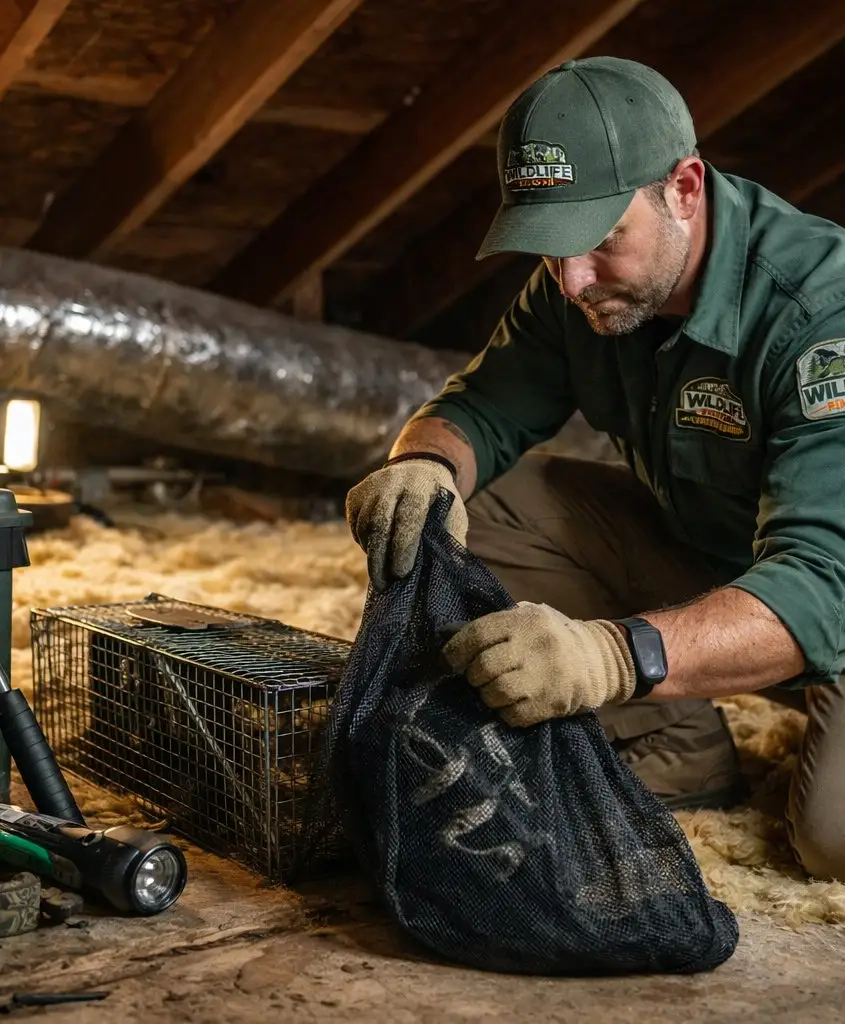
The cost of professional rat removal depends on several factors, including where the rats are located, how extensive the infestation is, and whether exclusion work is needed to prevent future problems. While every situation is different, understanding what affects pricing can help homeowners know what to expect before scheduling an inspection.
What Affects the Cost of Rat Removal?
Several factors influence the overall cost of rat removal, including the number of rats, whether they’re living in an attic or wall cavity, and if cleanup or exclusion work is necessary after the infestation has been eliminated. A professional inspection is the best way to determine the scope of the problem and recommend the most effective solution.
Want to know what rat removal typically costs in the Dallas area? Visit our Wildlife Removal Cost Guide to view estimated price ranges for rats, raccoons, squirrels, bats, birds, and other common wildlife.
Got Questions?
Frequently Asked Questions
Find answers to common questions about rat removal, inspections, and preventing future infestations in Dallas homes.